Wednesday, August 9, 2017

Responsible Pet Ownership

I am really going out on a limb here and taking a risk of offending some people, but believe strongly it will be a risk worth taking.  Recently, the City of Fort Scott Police Department announced they would be going door to door to verify dog owners are in compliance with the City ordinance regarding pet ownership.  Simplified these ordinances include that all dogs are vaccinated against rabies, that a family cannot have more three dogs and that they be licensed with the City.  This announcement has stirred up a great deal of people and also caused a flooding of telephone calls to our office about the cost of Rabies vaccinating their dog(s).

As a veterinarian, I took a vow to serve as an advocate for animal welfare.  This means that since an animal cannot express itself regarding its care and well being, it is part of my responsibility to speak for the dog when owners fail to.  I take this responsibility seriously.  That being said, I fully support the City of Fort Scott and the Police Department in its efforts  to enforce an ordinance that has existed  since 1924 (reported in the Fort Scott Tribune).

One of the concerns from citizens of our good community is there are people who cannot afford licensing fees.  According to the City, licensing a pet costs $3.00 for a neutered/spayed dog and $5.00 for those that are not spayed or neutered.  This means if you have the 3 dog maximum, it will cost you $15.00 a year to license your pets.  I find it ludicrous to think that a responsible pet owner could not afford $15/year for these fees.  The fees collected are held in the City's General Fund, which also funds our local Animal Shelter.

We have a great Animal Control Officer (ACO) in Max Daly.  Officer Daly works diligently caring for dogs that have been abandoned, allowed to run at large, feeding and cleaning up after these unfortunate dogs, not to leave out how hard he works in trying to get the dogs back to their owners or work with other shelters in trying to re-home them.  Our city animal shelter has limited numbers of kennels available, and are regulated by the State of Kansas regarding how many dogs they can house based on the number of kennels available. When the numbers of dogs exceeds the limits allowed by the State dogs are euthanized.  The Animal Care Center (ACC) has the unfortunate task of euthanizing dogs for the City when these dogs have exceeded the time limit the City can hold them or the shelter is overfilled and has no room for other dogs that have been neglected or abandoned.  In 2016 the ACC euthanized 58 dogs,  and to date 2017 we have euthanized 20 dogs.  This does not account for the actual number of dogs that have been housed within the shelter that have been returned to their families or re-homed.  In the last 20 months, 78 dogs lost their lives because of irresponsible pet ownership.  Licensing pets with the City may very well help decrease these numbers and will certainly make pet owners accountable in doing the right thing regarding their pet.

In order to acquire a City license for your dog, your dog will need a current Rabies Vaccination.  Rabies prevention is crucial for the protection of the general human population.  Rabies can be transmitted to humans through saliva from infected mammals, including your dog.  Requiring Rabies vaccinations is your City government working to keep you and your family healthy but preventing the spread of rabies to your pets from other wild mammals that can carry rabies.  There is no cure for Rabies, prevention is the cure. The cost to protect your pets and you from Rabies is priceless.

Our City requires little regarding pet ownership; a rabies vaccination and a city license, costing a pet owner less than $50/year per dog. My personal opinion.  Pet ownership is a privilege; as a pet owner we voluntarily accept the responsibility that comes with pet ownership.  We agree to not only provide our pet(s) with shelter and food, but also accept the financial responsibility that comes with pet ownership by providing for it's physical and mental welfare.  Responsible pet ownership means working with your veterinarian to ensure your pet has a physical examination yearly, vaccinations to protect your pet from disease, heartworm prevention to protect from heartworm disease, year round flea/tick control to protect your pet from flea/tick born diseases, intestinal parasite examinations and control, spayed/neutered to decrease the over population of pets in our shelters; these are the my basics, not just a Rabies vaccination required by our City.  If you have a dog(s) or are considering adopting any pet, you must seriously consider the financial responsibility that comes with pet ownership.  If you cannot afford the City's minimum requirements, then perhaps you should reconsider being a pet owner...it's not all just about the love.


Saturday, April 22, 2017

Your Pet Is Not a 4 Legged Human

This morning I received a telephone call from a woman expressing concern that her dog was painful and had been up all night.  This morning she gave her dog an Ibuprofen tablet.  I was immediately concerned for the dog.  You may not know that Ibuprofen is not tolerated by dogs and extremely toxic to cats.  Your pets are not furry humans.  In the Veterinary World, we use lots of human labeled medications in pets, but how the animal utilizes it and eliminates it from the body can differ from humans.  Your veterinarian is educated in pharmacology and the best source of information regarding what medications are safe for your pet.  Before you give any over the counter medication or left over medication your physician prescribed you, please talk to your veterinarian.

This conversation inspired me to address the issue of recognizing and treating pain in your pets.  Since your pet is not verbal, it is often difficult to assess pain in dogs and cats (even for a veterinarian), they are very good at masking pain (especially cats!).  Animals have a genetic "hardwire" to hide pain, if they exhibit pain, they could be vulnerable to predators that prey on the weak.  Pain is very subjective and difficult to measure.  It is not uncommon for us to see one patient crying and limping over a torn toe nail and another that happily wags it's tail and jumps around with a broken leg.  Some animals are just more stoic than others with regard to pain, same could be said for humans.

Signs of pain can be very subtle; a reluctance to move, anorexia, hiding, anxious behavior, pacing, grouchiness are some examples.  These can also be signs of other conditions.   Even overt signs of pain like crying or yelping can be associated with conditions that cause pain; pancreatitis, cancers, etc.  It is common for me to have a pet owner bring their pet in because they sense that something is just not right, we call that "ADR" (Ain't Doing Right).  They don't have anything specific they can pinpoint, the pet is eating ok, drinking ok, not vomiting, going to the bathroom ok, not limping or crying, but just seems a little left of center.  A careful history, physical examination, potential diagnostic tests such as blood work and radiograph may be necessary to isolate the problem.  It is important for you and your veterinarian to work together interrupting your pet's body language in order to isolate the primary problem.

The important thing to remember is FIRST TALK TO YOUR VETERINARIAN.  Make an appointment for your pet to have your veterinarian assess your pet's condition and why your pet is painful before any medication is administered.  For more information on how to determine if your pet is painful check out this link at the American Animal Hospital Association.

Monday, April 17, 2017

Your Horse's Vaccinations

Every April the Animal Care Center hosts an Equine Health Month by offering discounted vaccines and Coggins testing.  This is our effort to try to get our equine enthusiasts ready for a season of fun and keep their riding buddy healthy.  Every year I get lots of questions about vaccinations in horses, so I thought I would address them today.

One common question we get is whether the horse owner can vaccinate their horses themselves.  Of course you can.  This can sometimes be one way to decrease some of the costs of vaccinations.  However, I would recommend your purchasing your horse's vaccinations from your veterinarian.  One of the biggest concerns veterinarians have is if the vaccines have been shipped and stored properly.  Vaccines that have not been stored under refrigeration may be de-natured and not effective.  If you order your vaccines on-line and are not cold on arrival, send them back.  When you get them, refrigerate them right away if you are not immediately administering them.  I am always cautious about purchasing from local farm stores, because I don't know if they were warm when they came in, or were left sitting in a box until they were warm and then refrigerated.  If you trust your local farm store, then by all means they can be purchased there.  In our clinic, all vaccines are immediately taken from their shipping container and refrigerated, if they are not cool on arrival they are returned to the supplier.  You can trust your veterinarian.  The biggest advantage of letting your veterinarian vaccinate-manufacturers will guarantee the safety and efficacy of the vaccine if it was administered by a veterinarian. 

What do you vaccinate for?  What you should be vaccinating for depends on your horse's lifestyle and designed to protect your horse according to their risk of exposure.   All horses should at least receive core vaccines: Western and Eastern encephalitis, tetanus and West Nile).  Ask your veterinarian if horse should be vaccinated against Rabies, Strangles, Herpes and Influenza.

Finally, I would recommend giving your horse at least a 48 hour rest after a vaccination.  Vaccinations stress your horse's immune system and cause him to feel off center for a few days.  The ideal would be to wait at least 2 weeks after his vaccinations for any heavy riding or performance.

If you have any questions about your horse's vaccination safety, feel free to give me a call or e-mail me.

Monday, January 2, 2017

HAPPY NEW YEAR 2017!

Another year has come and gone, all too quickly for an old girl like me, and a new year has begun.  There has been ups and downs and a few side-way moves, but all in all I haven't a complaint.

The Animal Care Center has enjoyed having Dr. Amanda Gray join our group, she has been a nice addition to the team.  We are proud of the new cattle pens that were built in December and glad that we will be able to handle larger groups of cattle.  Our digital x-ray machine now a year old has allowed us to work more efficiently and have results quicker for our patients.  Our new website allows our clients to make appointments from the website and their smart phones!!

All of us at the ACC are a happy lot and glad to call the ACC our home away from home.  We are happy to continue to serve our clients and our patients by providing quality and caring medical care, large and small.

My New Year's resolution--eat healthier, learn something new everyday, finish about 10 uncompleted knitting projects and resume blogging on a regular basis.

To all of our clients, we wish you the best during this new year and extend our heartfelt thanks for your kindness, your faith in us and for making us feel good about being in the veterinary profession!


Friday, February 27, 2015

Help Your Dog Shed Some Pounds


Many of you may have seen Obie, the 77# Dachaund, who received national news coverage a few years ago.  I am thankful that I have no patients that are this morbidly obese, but I do see too many overweight patients in my office.  Obesity is a common discussion in my exam rooms.  

The Association of Pet Obesity Prevention reports that 53% of dogs in the United State are obese.  Overweight dogs (and cats) are at risk for health problems such as heart disease, orthopedic injury and arthritis, circulatory problems, pancreatic disorders, diabetes, liver disease, kidney disease and many forms of cancer and a decreased life expectancy of 2 years.  All this comes at a estimated cost of over $14 million a year in veterinary bills.  

I have recently agreed to be part of Bourbon County's Chapter of Walk Kansas, by providing information and support exercising with your pet, a new addition to their annual exercise and nutrition event.  I am really excited for the chance to help more people become more aware how vital it is that pet owners maintain a healthy weight for their beloved family pet.

How can you tell if your dog is overweight?  Any weight above 15% of your dog's ideal body weight is overweight. You can also check by this simple test that I do with every physical examination of my patient.  Run you hand along his side, with no pressure, if you cannot feel ribs, it's time to start a weight reduction program.  If your dog does not have a waist, it is time to start a weight reduction program.  

How do I help my dog loose weight?  Cold Hard Fact:  in most cases, our dogs are obese because we feed them too much!  Since they cannot dish up their own plate nor open the refrigerator in search of a snack, we have to take the responsibility for our pets nutrition and exercise.  So, how do you start?

1. Go to the vet.  Many health conditions can cause a dog to eat too much, become intolerant of exercise, and gain weight, such as Cushing's Disease and Hypothyroidism.  We need to rule out those factors before doing anything else.  Your veterinarian can also help you develop a program for weight loss and exercise. 

2. Weigh your dog.  Getting an accurate weight and monitoring it is crucial. Without that, you have no idea if your efforts are paying off, or not. And if you're really cutting back his food and being honest and accurate about it, and he's not losing weight, you need to know that, too, so you can dig deeper for medical causes. 

3. Stop leaving food down all the time. Have your veterinarian help you decide how much food your dog needs per day for an ideal body weight. Measure the desired amount of food, put it down for 15 minutes or so, then pick up the food. One meal twice daily is all a healthy adult dog needs. And if you have multiple pets, you need to separate them when you feed them. Crates can work, or put one pet in the bathroom or a laundry room and close the door. 

4. Ditch the bowls. We make our dogs work for their food. Buy food puzzles and use them instead of bowls. They also provide a great form of mental stimulation and play, great for these cold winter months. 

5. Exercise. All dogs need to get panting tired at least twice a day. However, before you exercise him, you need to clear it with your veterinarian, and get some guidelines from her. I take Port out for nearly every day, unless the weather is too hot or too cold for me.  If time or weather prohibits some exercise then we play with in the house or because I have a treadmill that is utilized by me, Port loves the treadmill (something you could teach your dog)  If your dog is exercise intolerant or fat,  or arthritic, before you exercise him, consulting your veterinarian is even more important. 

6. Stop guessing. Diet food isn't always necessary, but portion control is. Unless your dog has a medical problem, he is obese because you're giving him too much food. Get him medically cleared, ignore the portions on the bag, measure every single ounce of food you give him, and start gradually reducing it by the amount your veterinarian recommends. Also those fat laden treats and people food are going to have to go!  i usually suggest using part of your dog's measured kibble for treats or fresh raw or steamed veggies such as broccoli or carrots.


Monday, December 1, 2014

Girls And Their Horses

My love for horses started when I was around 5 years old.  I am not sure from where the love grew because I grew up on a farm where my dad milked dairy cows twice a day and cash cropped until I was about 7 years old and horses were not included; tractors were cheaper to keep and the milk cows didn't need herding in for milking.  On the farm, unless it earned it's keep, it was an unnecessary expense, therefore would have been a luxury.  Since my parents did not grow up with horses, they didn't see a need for them.  But I wanted one all the same.  Perhaps the desire was fed when I started reading.  Little Black, A Pony by Walter Farley, was a book I remember reading a thousand times, crying at the sad moment when the little black pony got his leg hung up in a downed tree.


I don't remember asking for a horse, but I must have expressed my wish for one to my dad, because one day he drove into our drive in a grain truck, after having been at the sale barn and in the back of that big truck was a red and white Shetland pony.  Since my parents had no experience with horses, they didn't know that a Shetland is probably about the meanest and stubbornest pony you can buy a kid; but I wasn't discouraged.  I was bit at, kicked at and got pitched in more wheat stubble and sand burrs then I care to remember; but I was not discouraged.  I would greet Francis, the milk man who picked up our milk, with pony and gear in the ready, to have him saddle Sonny for me.

Even when we left the farm for town living and I had to give up my ornery pony, my love for this majestic creature was nurtured with more stories from Walter Farley.

I could envision myself as Alec, riding bareback on 'The Black' with my hands wrapped tight within his mane, running wildly through the fields of the farm.  I read all 21 books in the Black Stallion series.  These stories and others like King of the Wind and Justin Morgan Had a Horse by Marguerite Henry, Smoky the Cow Horse by Will James kept the fires burning for me, until I could once again be atop a horse.

Finally, again living in the country, I was 10 years old, my parents got us our first real horse, a quarter horse mare.  My brother, Brian and I would saddle her up after school, and after homework.  Teaming up together, we would lead Sugar under a tree and with a wash tub turned upside down near the tree, we would lift the heavy saddle up and drop it to her back from the lowest tree limb, then stand on the tub to tighten up the cinch (we were too short to reach her from the ground).  Then off we would go!

Throughout my teenage and early adult years, horses were the center of my world.  My parents hauled me and my horses to every rodeo and horse show throughout Southeast Kansas and then some.  My parents even got the bug and started raising colts to run on the race track.  Even after I started having children of my own, horses were still central to my life.  I read those wondrous Walter Farley stories to my girls (four of them in total) hoping to plant that the seed of horse fever within their souls.  While the girls all enjoyed riding and competing when they were younger, they have taken different paths as adults and horses have not been central to their lives.  This is ok with me.  I feel that they gained a great deal by having horses in their lives when younger.  Now I get to attempt to spread the fever amid my grandchildren!

Why do some of us girls love horses?  I think it is genetic, something we are just born to love.  I am now 58 years old and still ride with passion.  I still ride despite a broken collar bone from being up ended while atop a crazy mare 8 years ago.  I still ride despite being pitched and left afoot to walk home by my newest crazy horse (no broken bones) in this last two years.  I will continue to ride until my decrepit old bones refuse to raise my body into a saddle.  It's in the genes and the soul.


Tuesday, August 5, 2014

Give Your Dog a Life Line


This morning our surgery schedule was interrupted by an emergency HBC (hit by car).  We started to work immediately in attempt to save the small breed cocker mix.  I.V. fluids were initiated in order to replace his rapidly diminishing blood pressure drop.  Shock will cause a drop in blood pressure (hypovolemia) and replacement fluids will help maintain their blood pressure.  Unfortunately, fluids were not enough for this guy.  Our patient was loosing blood rapidly within it's chest cavity and passed away.

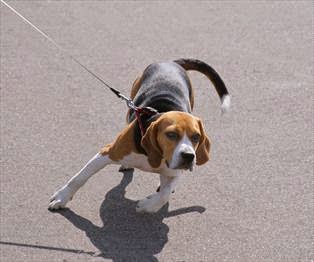
A difficult thing for this owner to learn, but for a simple leash, this dog's life would have been it's life line.

HBC pets are a common occurrence and for many of them, the lack of a simple leash leads to injury.  Some are injured by an unlatched gate, an open door and a mad dash for freedom (an obedience skill worth teaching-wait by the door until a leash is attached), but for many it is the naive belief that their owners voice has greater influence than the cat or squirrel that just run in front of them across the road.  My dog, Port, has an excellent recall aka 'come', but I can promise you that if a cat from across my road runs through my neighbors yard and he see it…. he is gone and suddenly I am the most boring person he knows and the least heard.

Over the years I have witnessed horrible injuries related to trauma created by cars; collapsed lungs, ruptured bladders, internal bleeding that could not be stopped, and broken bones.  Most of these injuries were preventable with just a bit of forethought and common sense.

I know not all accidents can be prevented, and most pet owners are responsible and have their pet's safety foremost in their hearts.  However, taking the time to leash train your dog, teaching "sit" to wait at the door for leashing, teaching your dog to walk quietly on a leash in face of distractions, can all be measures that every dog owner should take to help decrease the never-ending dangers that exists for them in the big wide wonderful world.

Friday, August 1, 2014

Trifexis Safety Issues Visited in Southeast Kansas

Today, I had a client call and ask me about the safety of Trifexis because she "heard rumors" that it was killing dogs.  We informed her that the "rumors" were unsubstantiated and that I am still using Trifexis on my dogs and recommending it to my clients.  Now what I have to say about these "rumors".

Google Trifexis Kills and you will get 15,200 results in about 0.15 seconds.  If you take the time to scroll through the searched sites, you will note that the majority of these sites are by news media, individual blogs and personal social media groups.  These sources lack scientific medical evidence to support their claims.  In order to give validity to their claims, they must have positive correlated scientific evidence linking Trifexis to an animal's death.

Let's put this is perspective.  In humans, it has been estimated that 16,500 people with arthritis, die every year from NSAID related complications (aspirin, Aleve, etc).   While tragic this happens, the percentage of people that die in relation to the millions of people that take NSAID's that do not die, is extremely small.  Yet we do not remove aspirin from our pharmacological arsenal.  We have to weigh the benefits of taking aspirin versus the possible negative side effects of the drug (bleeding, liver disease).  If the benefits outweigh the risks then we consider it a good medication.  But if the risks are greater than the benefits (more people die taking aspirin than people not taking aspirin), then it is a drug that is unsafe for use.

Every medication (whether designed for man or beast) have negative side effects.  You pick up your medication and your pharmacist hands you a printed list of the possible negative side effects you may suffer.  Your doctor has already weighed the risks vs the benefits for you.  If this is the first time you have taken the medication, you will not know until you take it if the negative effects out weight the benefits.  If you discover the negative effects are greater, the medication is discontinued for you (not the  other millions that can take it with no difficulty) and your doctor will prescribe another alternative.  The same happens in the veterinary medical field.  Our goal is to minimize those risks for as many individual pets as possible.

Trifexis like any prescription drug is FDA approved, meaning is was extensively tested by Elanco (manufacturer), before FDA would approve it's use in dogs.  The FDA and the manufacturers of any drug (for man or beast) monitor reports of potential toxicities.  Your veterinarian also monitors the effect of medications for pets.  If a patient of mine becomes ill and/or dies and I suspect it is the medication that caused the illness/death, I make a report to the company.  The company may request blood work or request the body be sent to a lab for pathology, so that they may determine if the illness/death is directly related to their product or if the patient had some underlying disease (that neither the owner or the veterinarian was aware of)  that may have contributed to the animal's illness/death.

A good example of careful monitoring by veterinarians, manufacturers and FDA is the recall and discontinued manufacturing of the topical flea and tick product Promeris.  After it's extensive testing for FDA approval, and after millions of applications, it was found to predispose cats and dogs to a serious skin condition, pemphigus foliaceus.  We used to carry Promeris in this clinic, we never experienced this skin condition in any of our patients, however in the over all population of the pets at large, there were more incidence of pemphigus reported and confirmed by proper testing.  The risks of using Promeris were greater than the benefits for the overall population of pets using it.

Bottom line, don't believe everything you read on the internet (my husband is a French Model!!), look at the source of the information you read/hear and educate yourself with the information regarding any medication based on the scientific studies and side effects vs benefits.  Ask your veterinarian questions about the medications they prescribe and share your concerns.  If your pet acts ill after taking any medication contact your veterinarian.  Your veterinarian relies on you to report any problems so that they can protect your pet.

I use Trifexis on my dogs.  They have been taking it for two years. They are alive and well, flea free and protected against heartworms.  The reported side effects of Trifexis (vomiting, anorexia and itchiness)  do not outweigh the risks I feel my dogs have of contracting heartworm disease and diseases associated with flea infestation.  Trifexis may or may not be beneficial for your dog.  To determine if it is the best product for your dog, you must communicate with your veterinarian and together decide if the benefits are greater than the risks.

Tuesday, February 25, 2014

What You Should Know About Antibiotics

As a mixed animal veterinarian in a rural community, it is not uncommon for me to get telephone calls from ranchers and horse clients about which antibiotics to give their large four legged critters.  Just as often they call and ask if it okay for them to give the same antibiotics to their farm dog.  I also field phone calls from small animal pet owners asking if they can give an antibiotic they have left over from either another pet or from their personal medical doctor, to another dog or cat.  It is easy for many to be casual about antibiotic use; they must be safe to use, after all you can buy them at your local farm and tractor store.  Antibiotics are powerful medications that require a level of understanding of pharmacology and bacteriology, and biology; something you should not trust your farm and ranch store assistant to supply. 

We live in a world where antibiotic resistance has been called one of the world's most pressing public health problems.  Almost every type of bacteria has become stronger and less responsive to antibiotic treatment when it is really needed.  These resistant bacteria can quickly spread from your animals to their human family members and to other human-human contact, threatening the household and the community with a new strain of infectious diseases that is more difficult to cure and more expensive to treat.  For this reason, antibiotic resistance is among the CDC's top concerns. 

Here are some things you should know:

1)  Sometimes Antibiotics aren't called for and may even cause harm.  As a veterinarian, unless I have evidence of a bacterial infection, I won't prescribe an antibiotic.  Antibiotics are only effective against bacteria, not viruses.  If your pet, horse or cow is suffering from a viral infection without  having a secondary bacterial infection, antibiotics have no benefit and only serves to increase the risk of bacterial resistance in the future. Giving unnecessary antibiotics can disrupt the animal's biological system and leave it vulnerable to other diseases.  Our society has come to seek out a quick fix for it's illnesses, expecting a 'pill' to fix all that ails us and our animals.  Sometimes it's just best to let mother nature run it course and allow the body to do it's work in protecting itself.  

2)  The antibiotic that worked so well for your pet/animal last time may not help him with his most current problem.  Just as true, the antibiotic that worked well for Fluffy may not help Fido, or Lightening the wonder horse.  Different antibiotics kill different bacteria, in different ways, with different potential side effects.  If Fido has a chronic condition such as renal failure, the enrofloxacin I prescribed for Fluffy's bladder infection could be harmful to Fido's kidneys, since it is an antibiotic known to be hard on the kidneys.  This holds true as well,  for left over antibiotics that you failed to finish taking yourself.  While it is true that many medications we use in veterinary medicine are also used for humans, your medical doctor intended you to take all your medication, not save some of it for your pet, just in case.  Failing to take all prescribed medications as directed leads to problems (addressed below).  Often your medication contain more milligrams than may be needed for your critter or may not be enough.  Either way only a veterinarian should be directing which drug is needed and in what concentration and for how long.

3)  Giving antibiotics at the prescribed dosage and time is vital to their effectiveness.  This means that if the doctor prescribes the medication to be given twice a day for 14 days, you should follow the directions.  The doctor knows how long the medication last within the body and will be trying to create a steady stream in the flood so that it is delivered at a constant rate to the bacteria.  

4)  YOU NEED TO GIVE THE ENTIRE COURSE OF THE ANTIBIOTIC even if your animal appears 'better' within the first few days.  Many times your doctor will prescribe an antibiotic for a two week course or even longer.  While you may think it unnecessary or excessive to give a medication after your pet/horse/cow appears healthy, it is crucial that you give the entire course of medication.  Not doing so contributes directly to antibiotic resistance that threatens your animal and you.  Why?  Simple genetics.  The bacteria killed early on are the susceptible ones--while the strong/clever ones are learning to adapt to the antibiotic action survive longer.  Stopping the medication before the stronger bacteria are killed off by the immune system leaves only these smart bugs behind to multiply in the face of the antibiotic and become more resistant to it.  When you fail to finish a course of antibiotics, for you or your pet, you are basically creating an environment conducive to a 'super race' of bacteria.  The infection may return and even be more aggressive than before.  Different antibiotics have different half-lives (how long they stay in the body) and are prescribed for different lengths of time based on the doctor's knowledge of the bacteria and the mechanism of the antibiotic.  These decisions are made based on experience, science and knowledge, not a random antibiotic for a length of time arbitrarily picked or simply to sell more medication.  

5)  If your animal is ill talk to your veterinarian.  If your animal is ill, take them to see your veterinarian.  In order to make a correct diagnosis and prescribe the correct medication your veterinarian will need to see you critter, even for chronic conditions.  We will not prescribe a medication without having the benefit of performing a physical examination and/or performing the necessary diagnostics needed to make a correct diagnosis in order to prescribe the correct medication.  Make no mistake, all medications are poisons, although helpful ones.  All medications have side effects of which we wish to keep at a minimum.  Proper use of these medications should be directed by your veterinarian and not the salesperson at the farm and ranch store.  

As a veterinarian, I am happy to practice medicine during a time when we have an arsenal of medications available to help in curing illnesses; compared to the old days when we used turpentine and arsenic!  We do however need to use these powerful medications judiciously and with full knowledge of their actions, side-effects and proper diagnosis.  Consult with your veterinarian before you reach for those left over medications from your medical doctor or head out to the feed store for a bottle of penicillin.  There is a reason that we are seeing more and more MRSA cases in human and animal medicine, let's not contribute to it.


Thursday, January 30, 2014

Helping Others Is What We Do

When asked why I wanted to be a veterinarian, it is easy to say because I love animals.  However, it goes far beyond that.  Loving animals is only part of it, as I am certain it is for most veterinarians.  I remind many future veterinarians, that being a veterinarian is not just about the animal; at the end of every leash is a human being who loves that dog, cat, ferret, horse, cow, etc., and through our caring for animals we are also committing ourselves to helping humans.  One of the many reasons I am driven to be a veterinarian is so that I can promote and help maintain that precious bond between a human being and their animals.  The human/animal bond can be as strong as the love that is shared between a parent and a child.

This bond we humans share with animals is also why I became a puppy raiser for KSDS, an organization that works to provide assistance dogs for the disabled (it was my first service puppy in training that inspired this blog).  Recently I volunteered to be part of a dancing team for our local Rotary Club's 4th Annual "Dancing with our Stars" Charity Event.  During this event, several couples perform a dance routine (yes in public in front of hundreds of people) to raise money for their chosen charity.  My dancing partner, Ted Koller, and I are dancing for KSDS.  Voting for the dancing team is done via monies donated to the team's chosen charity.  Ted and I have been practicing 3-4 times weekly for the past month in preparation for our debut February 15th.  We have to practice a lot because we are both old, fat and out of shape ( I am also terrible uncoordinated).  Just like the time and dedication I put in to training my Service Puppy in training, I am determined to put on a good show and work to encourage donations for KSDS.  If you cannot attend this event, I encourage you to visit KSDS website and donate to their endeavors to provide assistance to the disabled.

Three weeks ago, I had to turn back to KSDS my second puppy in training, Port.  Even though I know full well from his arrival to me, at 10 weeks of age, that he is not mine to keep and that in approximately 18 months he will be leaving for KSDS college, it doesn't make it easier to take him back so that he can continue his training and find his partner.  Though I knew what to expect in taking him back to KSDS;  I had already experienced it with Meade, my first puppy in training, I cried for 15 minutes in my truck after I left the KSDS facility.  The bond we developed and shared during his time with me is strong, and just like the pain a parent feels when their children leave the nest, my heart was heavy, when I had to cut the umbilical cord and leave Port to move forward so that he could go on to help someone with far greater needs than myself.

People often tell me they could never be a puppy raiser because they could not handle the letting go after two years of love and building such a priceless bond.  They sometimes even ask me, "how can you let them go?"  I invite you to watch this video I have made and published on Youtube, KSDS Stand By Me , perhaps it can answer that question best.  The love I felt for Meade and Port is forever.  That love has now spread to others and I have become a part of their lives too.

I am a veterinarian and I dance…so the bond that we humans share with animals can open the world up to others and to me.  I am a better person for being a part of something greater than myself.

Monday, January 13, 2014

KILLER DOG BREATH


We have all heard it and I suspect many of us have said it: "A dog's mouth is cleaner than a humans".  I suspect that those that have repeated this myth have never looked inside their pet's mouth!  At least once daily, I have a client ask me why their dog's breath smells bad.  My typical response is to open their dog's mouth and let the owner look inside!  At least 8 out of 10 times they will see reddened gums, tarter build-up, loose and rotten teeth (and this dog is sharing a dinner plate with them and giving them kisses!!)  In younger dogs, whose teeth are still in pretty good shape, I remind them that it is bacteria within the mouth that causes odor and that if they failed to brush their own teeth 2-3 times a day, their mouth would smell as bad as their pets!  Diet can also play a role in having bad breath.  Humans don't usually eat of garbage cans, eat dead things they find out of doors or drink out of germ laden toilets!

Did you know that 80% of dogs and 70% of cats all have signs of dental disease by four years of age?  Did you know that dental disease is a major contributor to other systemic disease such as heart disease, kidney disease, lung disease and chronic anemia?  

What would you think if every day you looked in the mirror and saw gums that were bleeding and receding, and teeth that were discolored, loosening and falling out? “Doggy breath” isn’t normal, and pets need dental care just like people do. Sometimes I flip the lip on a dog I’m seeing — usually for some other reason — and discover gums that look as if a blowtorch had been passed over them. You know these animals are in constant pain. And what about those teeth? Imagine what it would be like to be in excruciating pain every time your tongue touched your tooth, or if you had to try to gingerly eat on only one side of your mouth, away from the affected area. Rather than just ignoring your dog's breath, it would be better to treat it.  You would treat yourself if you had bad breath or a sore mouth…right?

If your pet's mouth already looks like the image above, it will first be critical for you to schedule an appointment with your veterinarian who can get your dog’s mouth back in good shape at any age and can show you how to keep things in good shape. No more pain.  Be prepared, depending on the age of your pet, and other existing age related conditions, your veterinarian may order blood work done prior to dental work and also start your pet on antibiotics ahead of time.  Dental cleaning is an anesthetic procedure, so your veterinarian will need to know if there is anything else wrong with your pet that may require special precautions during the procedure.  In most cases, your pet should be able to go home the same day as the procedure.

What can you do to help keep your pet's teeth healthier before and after their dental cleaning?  
• A well-balanced, meat-based diet is important
• Take your dog to the vet regularly and keep up to date with vaccines
• Brush your dog's teeth on a regular basis or use an oral rinse (available in pet stores and online).
• Maintain routine oral hygiene visits to the vet or groomers
• Give him treats to chew on that will help remove plaque from his teeth
• Regular exercise or some type of physical activity would be beneficial, just as it is for humans, but of course this varies by breed and dog.
• If his breath is very bad, consider using an oral solution made for dogs and cats that help with bad breath


Good oral health care is vital, but in general your dog's mouth is not cleaner than yours.  But I don't let that stop me from kisses (as long as they have a healthy mouth).  We want you to fully enjoy the love without worrying about germs and your pet to enjoy a life free from pain.  Your dog is dependent on you and you are responsible for their health and well-being.  Talk to your veterinarian about dental health care for your pet! 

Wednesday, November 27, 2013

For This I am Thankful

In 1621, the Plymouth colonists and Wampanoag Indians shared an autumn harvest feast that is acknowledged today as one of the first Thanksgiving celebrations in the colonies.  The Puritans, having come to America in order to worship in a fully reformed church apart from the Church of England, had survived many perils in their newly founded home.  Being a religious group, they gathered to give thanks for their blessings from God.  Today, we continue to gather around a feast of food and family and friends to give thanks for our bounty.  

My son-in-law once commented to me that one the things that he cherished about the Gray family, was that we used just about anything as an excuse to get the family together under one roof; birthdays, Easter, Fourth of July, Mother and Fathers Day, Thanksgiving and Christmas.  Not all of us could always make it to these family gatherings for a variety of reasons, however since we tried to get together so often, most of us did manage to get to at least a couple of the gatherings during the year. Thanksgiving has always been one of the big ones. 

Usually our Thanksgiving was at Mom and Dad's, later as the family grew and aged, we congregated at   whoever was up to hosting it.  We also opened our homes our to in-laws, and soldiers from the army base where our own soldiers where stationed, who could not go home for the holiday.  From this nucleus of friends and family many memories have been built and savored.

Ladies will gather in the kitchen, laboring over the stove with love (often with a few glasses of wine in hand), each adding their own unique speciality to the feast.  Here they will chatter about their children, their spouses, the grandchildren.  The kitchen will heat up and soon they will be opening windows, even in 30 degree weather.  Little kids rush in and out of the kitchen sneaking tidbits of food before the big meal, with women chasing them out from under their feet.  Pre-meal snacks are laid out to keep the masses satiated and out of the kitchen; cheese balls, summer sausage and crackers and vegetable trays.  

The men gather around the television and a football game or some other manly show.  They discuss manly things and I am sure that does not include their spouses or children.  A few of them will sometimes wander into the kitchen and help out with the cooking but usually just trying to get a handle on when the dinner will be laid out for devouring.

After hours of feast preparation, the meal is laid out in buffet style and we gather around for words of prayer and fellowship.  We give thanks for our togetherness, to those who could not attend and in remembrance of those that are no longer with us.  I like to think that we are much like those first Pilgrims that gave thanks around a feast.  We are part of the backbone that made this country. We have labored, harvested and endured and now we come together to share in our thankfulness to God and each other for our strength and bounty.  We have much to be thankful for.

This Thanksgiving I am personally thankful for the memories I have of my family. Of Josph Lister, our fallen soldier lost in Iraq November 20, 2003, who left us with a most precious grandson, Micah.  Of Janice Furman, my mother-in-law, who left us October 29, 2013, and gave me her son and made me laugh and smile.  Of my father, Armond Gray, who left us February 23, 2013, and gave me his good looks and his stubbornness to persevere.  I am an extension of these people and many others, each having given me a piece of themselves so that I am a better person.  

In tribute to the families that hold all of us up and the memories we all cherish, I share this slideshow of my family memories.  Family Memories


Thursday, November 7, 2013

BE PREPARED

I bet when you first looked at that cute puppy/kitten face you didn't think about how much money you were going to be investing into the care of this cute critter.  I bet you didn't think about the fact that this critter could live to be 15-20 years old and cost you an average of $1,000/year in pet food, pet toys, grooming, flea control, heart worm prevention and veterinary bills.  Yet, sometime after you took that cute 'free' kitten/puppy home, you found that owning a pet is not just about loving it and sharing your life with it.  At some point in time you discovered the responsibility of pet ownership included teaching it good social household manners, the need for it's physical and mental exercise, how much of your time it takes caring for it and that sometimes your baby gets sick and requires medical attention that exceeds your normal financial budget.

Precious, your furry feline, played in your knitting box and swallowed yarn, requiring surgery that cost $500.  Waldo, dashed out of the house and ran into the street, getting hit by a car, costing you $1,000.  Mitsy got into the trash and suffered from pancreatitis requiring i.v. fluids and a few days in the hospital at $500.  These are just a few examples that veterinarians see every day, and something pet owners should prepare themselves for.  Emergencies happen, pets get sick and good veterinary care comes with a price tag.

Sadly, just today, I again experienced what happens to a pet as a result of lack of planning for veterinary health care emergencies by a pet owner.  The pet arrives in very sad shape; dehydrated, vomiting for days, not eating and after a preliminary exam I suspect there is a foreign body (ball, bone, toy, underwear) lodged in it's bowel.  Cost for diagnostics  and treatment is estimated between $500-$1000.  The pet owner does not have the funds available to allow me to do what I do best.  The pet parents are faced with the wrenching decision to elect euthanasia.  Situations like this sadden me and my staff as well, when there is something wrong that we can fix, but we cannot fix them because of financial constraints.

How can you avoid this happening to you and your pet?  Be prepared.  With a little bit of financial preparation you can keep the above situation from happening to you.  How can you prepare?


  • Be honest, realistic and responsible.  If you don't have the funds or time to devote to a family pet, then perhaps you (and the pet) would be better off by not having one.
  • Apply for a CareCredit Card.  A healthcare credit card that is accepted by many veterinarians as well as dentists, eye doctors and chiropractors.  It offers you the opportunity to take care of your pet's medical needs and have up to 3 months to pay for it without interest fees.
  • Start a Pet Care Savings Account.  I would recommend keeping a minimal balance of at least $1,000 that would cover most emergency situations (depending on the area where you live).  If you would like the account to also cubby hole funds for annual veterinary visits and medications, then you will need to be disciplined enough to set aside additional money on a monthly basis for these needs.  $20/week will give you a nice beginning nest egg for emergencies within one year.
  • Pet insurance.  There are several companies out there that offer pet insurance.  Many offer you a variety of insurance packages.  My typical recommendation is to get a good policy that covers accidents, illnesses and other emergencies.  Most pet owners can financially handle the normal wellness care and elective procedure expenses.
  • If you are afraid that you would get desperate and tap into that savings account that you have set up for your pet?  Here at our clinic we encourage you to prepay for non-emergency services.  You can come in and place money on your account for a rainy day or routine medical needs for your pet.  $10/week will leave you a credit balance of $520 that will be available for you to use for your pet's well being.
  I hate talking about money with my clients.  It makes me feel that my clients probably think that is all my staff and I are concerned about, when in fact that is far from the truth.  However, the cold hard fact is that in order to continue practicing medicine, have a hospital for you to bring your pet to, pay for the practice expenses (drugs, payroll, utilities, taxes, insurance, etc) we need to be paid for the work that we do.   We understand you truly love your pets and want the best for them.  We are asking your to be financially prepared to give them the best they deserve.

Monday, October 28, 2013

Service Dog or Not?

This is Port.  He is our second KSDS Service Dog in Training.  Today Port and I went out of the office on errands.  We went to our bank, with Port carrying the bank bag in and out of the bank.  The bank Vice President asked if he could pet Port and I allowed it today.  Port sat quietly and nicely while he got a rub down from the VP.  After our bank errand we stopped by our local Dollar General Store to pick up a few supplies for the clinic.  Port quietly and politely walked through the aisles and carried a fingernail brush for me to the check out.  At the check out, Port put the brush on the check out belt for me and a few other items that I handed him to place on the belt.  He did so quietly and enthusiastically.  Afterwards he sat quietly beside me, watching me intently, as I finished our business.  A woman behind us in line commented to me that she was happy to have come in and witnessed Port working.  It made her feel good to see Port working to learn how to help the disabled.  The check out woman also added that Port was the only Service Dog that comes in that truly acts like a Service Dog.  I was proud of Port.

Apparently the store has seen other dogs come in 'claiming" to be Service Dogs that have not behaved well.  I advised the check out attendant they had a right to ask the handler to remove the dog from the premises if they were not behaving well, but she said that their corporate office says they could not.  Since by law they cannot ask of the person's disability or cannot ask for any certification of their dog being a service dog, they have taken the position to not deny access; they have no way to be assured that a Service Dog is a Service Dog and not a 'wolf in sheep clothing'.

It is infuriating to me that there are people who misrepresent their dogs as Service Dogs, thus representing themselves as disabled.  They have no idea how their actions affect the disabled and the entire service dog community.  Through their actions, they leave the public with a negative perception about Service Dog Teams, making it harder for the legitimate.  Talk to a disabled person that uses a trained Service Dog and they can tell you of at least on circumstance where they have been denied access to a public place.  Their obstacles are already complicated without 'fake' dogs complicating their lives further.

By definition a service animal means any dog that is trained to do work or perform tasks for the benefit of an individual with a disability.  The work or tasks performed by a service animal must be directly related to the handler's disability.  A service dog receives extensive training to perform a job(s) which aid their disabled partner.  The two work together to achieve what was once impossible for the handler to do alone.

So how can a business owner/employee tell a REAL service dog from a fake?  The Department of Justice permits you to ask two questions:  1) Is this a service dog required because of disability?  2) What is it trained to do to aid you with your disability?

Animals whole sole function is to provide emotional support, comfort, therapy, companionship, therapeutic benefits or to promote emotional well-being are not service dogs. A service dog must be specifically trained to DO SOMETHING.   Additionally, if the animal behaves inappropriately, disrupts business, acts aggressive, interferes with patrons or uses the 'toilet' indoors, then it doesn't matter whether it is a service dog, you have the right to deny it access to your business.

Be warned there are people who may offer to show you their 'service dog certification'.  Certification does not mean the dog is a service dog.  There are businesses that sell fake certification, registration and identifications, along with service dog vests and harnesses.  All a person has to do is to pay the fees.  These dogs were never tested nor the person's disability ever verified.  Certification is not required for a service dog, so long as the dog meets the legal definition.  Those who purchase fake certification do so because they anticipate the need for it.

Since it is not illegal for a person to make the claim their dog is a service dog, you have to use your best judgement.  Ask the above questions of the handler.  Watch them in action.  Is the dog providing a service?  Does the dog perform it's duties in an quiet and inconspicuous manner?  Does it 'mind it's own business' and serve it's handler attentively?  If not, then you have a right to deny access to your business.  And shame on them!


Tuesday, August 13, 2013

Allergies: an Itchy Problem

My Weather Channel app sends me daily alerts for pollen counts.  Daily there are alerts for high grass pollens.  Just as reliable as the weather channel are my dog patients that suffer from allergies (canine atopy), because we have an increase in appointments for the 'itchy dog'.  We're at the height of allergy season here in the Midwest after enduring an extremely high tree pollen and grass pollen season. Needless to say, people with atopy have been suffering along with our pets. Even if you're not allergic, the high pollen counts tend to act as an irritant, bothering both mucous membranes and the respiratory system.  We all know that there are no cures for allergies, but there are some things you can do at home to help your itchy dog before you make your appointment with your veterinarian.

  1. If they are itching, give them a bath.  New evidence shows that absorption of the allergen across the skin (percutaneous absorption) may be the primary mode of getting the allergic response started. It certainly explains why in dogs with atopy, the face, feet and perineal areas are most often involved.  By bathing you are washing away pollens that are attached to your pet's fur.  We often recommend bathing with a non-soap, hypoallergenic shampoo that contains anti-itch properties and omega fatty acids.  Following a bath, topical leave-in conditioners such as ResiCort, that contains hydrocortisone can help continue to give relief.
  2. Grasses pollinate early morning and late night, which happens to be when we most typically send out pets out for bathroom relief.  So grass pollens are attached to their paws and now they are licking at their feet!  Take the time to wipe down your pet's feet with a damp cloth or antibacterial wipes such as Preva Medicated Wipes  or Wipe Out Dairy Wipes—ImmuCell, used in dairies. 
  3. Clothing such as cotton t-shirts and onesies can act as a barrier to percutaneous absorption of allergens.
  4. It has been shown that itchy dogs have a decrease in skin oils and topical skin lipid complexes containing ceramides, botanicals and fatty acids such as Allerderm Spot-on (Virbac Animal Health) and Dermoscent Essential 6 (Aventix) can help repair stratum corneum lipids.This can aid in restoring a normal skin barrier. The topicals are typically used once weekly but can be used more or less often depending on the patient's response.
  5. There is evidence to show that the proper diet may help relieve clinical signs of atopy. Flaxseed oil and fish oil are both rich in omega-3 fatty acids. For flaxseed oil to have anti-inflammatory effects comparable to fish oil, it must be converted to eicosapentaenoic acid (EPA). Unfortunately, conversion in dogs is only about 10 percent, so fish oil is a better source of omega-3 fatty acids in dogs.Diets rich in essential fatty acids (EFAs) may provide higher amounts of fatty acids than are available via capsules. The best time to start an atopic patient on a diet containing EFAs would be two to three months before its allergic season since it can take two months of EFA supplementation before results are seen. In a study of 50 atopic dogs fed one of four diets over an eight-week period, the dogs fed a fish-based diet had a much lower pruritus score. Dr. Gray often recommends diets with added omega fatty acids and the dietary supplement product EFA-Z plus for her chronic itchers.

    Treating atopy dogs are frustrating, because we know we cannot cure them, but doing everything we can to help relieve the itch during the allergy season will help give your pet some comfort.  Adding these tips to your pet's health care program can help, however does not negate the necessity of needing to visit your veterinarian.  Bacterial skin infections are common among allergy dogs and this requires a visit with your veterinarian.  Together as a team, you and your veterinarian can help your pet feel better.

Tuesday, July 9, 2013

Let me show you a picture

I love the digital age; laptops, smart phones, iPads, tablets, digital radiography, 3D ultrasound, countless numbers of applications that allow doctors to work closer with doctor buddies and clients.  Our clinic sends e-mails for reminders to clients, we text information to let them know how their babies are doing after surgery and while they are recovering from an illness.  I send radiographs to clients and colleagues over my iPhone!  I have an application on my iPhone that allows me to measure an ECG on my patient, upload it into their record and send it to a cardiologist to have it read!  I take some of my continuing education hours (required to maintain my doctor license and keep me up to date on what is now considered standard medical protocols) on-line and video webinars, without having the expense of travel to conferences (which saves my clients money by keeping our expenses lower).  The internet helps me educate my client about their pet's general health by providing me with mediums such as Facebook, Twitter and this blog.  What a wonderful world we live in!

Recently a client came into my office, without her pet.  She explain to the technician that her dog had a rash on it's belly and wanted some medicine for it.  My tech explained that medicine could not be dispensed without benefit of a physical examination by the doctor and that she would be happy to make her an appointment.  Frustrated the pet owner reiterated that she didn't need to see the doctor, she just wanted something for rashes.  My tech further explained that her pet's rash could be caused by many things and we want to be sure that her pet gets the best we have to offer, we want to be sure that we send her home with the proper medication.  This was not what she wanted to hear.  So...she asked for the doctor.  Interrupting my regular appointment, I went to the front desk to talk with the lady.  I explained how it was necessary for me to exam her pet, I need to be sure of what medication would be needed.  It would not financially benefit her for me to send home a medication that may not work if I was treating the wrong condition.  I also pointed out that it is against the law (VCPR) for me to dispense medication without examining the patient (the dog had never been to our clinic).  That is when she whipped out her armory! She pulled out her smart phone to show me a picture of her dog's belly and the rash that covered it.  As interesting as her picture was, I resisted the urge to actually say out loud 'lady your aren't getting the picture!",  I politely looked at the picture and again reiterated that I could not and would not diagnosis her pet based on a picture.  She huffed and walked out.

Technology is great, these modern gadgets allow doctors to practice medicine with greater efficiency and precision.  However, these gadgets are just tools and do not replace a good old fashioned physical exam.  During an exam we can smell, feel, listen to our patient,  this provides us with a great deal of information.  Many health conditions mimic each other and often times we need very specific tests for specific diseases.  The physical examination helps guide us to which tests would be appropriate.  This is  not only good for our patient but also better for our client's pocketbook; saving money for medications that may not be needed and being sure that we prescribe the correct medication for the condition needed and not diagnosing based on trial and error.

I understand the hurried world we live in; never enough time in a day to get things done, too many irons in the fire, and lots of demand from others on our time.  Our gadget's help us reduce some of these demands, they will not however replace our experience, our senses and our personal knowledge.  Use these tools wisely and with common sense, don't ask  your doctor to treat your precious baby by way of Skype.  If your pet is truly your precious baby, care enough to provide them with the best medicine available, make an appointment and have them examined by your veterinarian.

Friday, May 17, 2013

Let the Itching Begin

Yep, it's spring time.  How do I know for sure?  Because nearly have of the patients I see in a day are coming into the office for itching, skin sores and ear infections.  Most of these patients are suffering from canine allergies aka canine atopy.  While dogs (and cats) can suffer from allergies year round, many do not suffer horribly until spring time when the pollens are abundant.

Our pets can be allergic to a plethora of things.  Common allergens include fleas, grass and tree pollens, molds, mites and foods.  Signs of allergies in your pet can include reddened itchy skin, itchy ears, licks at feet, belly and armpits, they can also have sneezing, coughing, vomiting and diarrhea (food allergies).  While seeing and hearing your dog licking and scratching is annoying (especially when you are trying to sleep), just think of how miserable your pet feels.  If you are an allergy sufferer, it should be easy to imagine,

Once the itch-scratch-itch cycle begins it can result in sores (called excoriations) in the skin, hair loss, scabs, crusts, and secondary bacterial skin infection. The skin infection (usually Staph) also results in a more intense itch feeling, which in turn causes more scratching, like adding gasoline to a fire!  Sometimes for some dogs, the only symptom of allergies that may be apparent are ear infections, where the dog scratches it's ears and may flop their ears, causing a ear hematoma.  For dogs that are itchy year round and have suffered with it for years, the skin becomes thick and darkly pigmented. A secondary dry or greasy seborrhea with flaky skin often develops in conjunction with the skin infection.

Now here is the crummy part.  There is no cure for allergies and treating allergies can be frustrating to the pet owner and your pet's veterinarian.  There is no one magic drug that is going to alleviate your dog's misery.  Since it is unlikely your pet is allergic to just one thing (oh how easy that would be!), a visit to your veterinarian is necessary.  Besides allergies, there are many other things that can cause itching in your pet: mites, hypothyroidism, and simple flea allergy are among them.  Your veterinarian will need to rule in and out these other diseases so that a good treatment plan can be prescribed.

In  most cases, pets are allergic to many things, and a multi-level treatment protocol will be needed, such as ridged flea control (I personally love COMFORTIS for my allergy patients), food allergy trial diets, dietary supplements (aka nutriceuticals), topical treatments with shampoos/conditioners/sprays, antihistamines and corticosteroids.  In severe cases, I use ATOPICA, a non-steriodal medication that suppresses the pet's immune response to allergens or recommend intradermal skin testing (to discover specifically what your pet is allergic to) for the purpose of allergy immunotherapy injections. Your pet's allergy problem will need your patience and persistence to keep him comfortable during the allergy season.  Many times your veterinarian may try a variety of different things to help your dog suffer less, this is because no two allergy patients are alike; what works for one, may not work for another.

The best advise I can give you is 1) if your dog itches, give it a bath (you are removing allergens from it's skin and hair coat)  2) use monthly flea control religiously and 3) contact your veterinarian.


Friday, April 5, 2013

Canine Distemper On The Rise?

I have been practicing veterinary medicine for 19 years.  During this time, it has been rare that I see a case of Canine Distemper.  In fact, until the last 30 days, I have seen less than 6 cases of distemper.  I have become quite alarmed to have seen 4 cases of distemper in the last 30 days.  I have lots of theories of why there appears to be a sudden increase in distemper for this area, more important is pet owners need to be aware that this virus still exists and that vaccination the key to saving their dog's life against this horrible disease.

Canine distemper is a contagious and serious viral illness with no known cure. The disease affects dogs, and certain species of wildlife, such as raccoons, wolves, foxes, and skunks. Young, unvaccinated puppies and non-immunized older dogs tend to be more susceptible to the disease.


The virus, which is spread through the air and by direct or indirect (i.e. utensils, bedding) contact with an infected animal, initially attacks a dog’s tonsils and lymph nodes and replicates itself there for about one week. It then attacks the respiratory, urogenital, gastrointestinal, and nervous systems.


In the initial stages of Canine Distemper, the major symptoms include high fever (≥103.5 ° F, or 39.7° C), reddened eyes, and a watery discharge from the nose and eyes. An infected dog will become lethargic and tired, and will usually become anorexic. Persistent coughing, vomiting, and diarrhea may also occur. In the later stages of the disease, the virus starts attacking the other systems of the dog’s body, particularly the nervous system. The brain and spinal cord are affected and the dog may start having fits, seizures, paralysis, and attacks of hysteria.

Canine distemper is sometimes also called “hard pad disease” because certain strains of the virus can cause an abnormal enlargement or thickening of the pads of an animal’s feet. In dogs or animals with weak immune systems, death may result two to five weeks after the initial infection.

The disease can be acquired from vaccines that have been improperly stored or given in a manner that denatured the vaccine. Bacterial infections of the respiratory or gastrointestinal systems may also increase an animal’s vulnerability to the disease. Non-immunized dogs that come into any kind of contact with an infected animal carry a particularly high risk of contracting the disease.


there is no cure for canine distemper. Treatment for the disease, therefore, is heavily focused on alleviating the symptoms. If the animal has become anorexic or has diarrhea, intravenous supportive fluids may be given. Discharge from the eyes and nose must be cleaned away regularly. Antibiotics may be prescribed to control the symptoms caused by a secondary bacterial infection, and phenobarbitals and potassium bromide may be needed to control convulsions and seizures. There are no antiviral drugs that are effective in treating the disease.

A dog's chances for surviving canine distemper will depend on the strain of the virus and the strength of the dog’s immune system. Recovery is entirely possible, although seizures and other fatal disturbances to the CNS may occur two to three months after recovery and sometimes for life. It has been my experience that dogs with CNS involvement rarely survive.  Fully recovered dogs do not spread or carry the virus.

Cost in treating distemper is in the hundreds.  Cost for vaccination is considerably less.  The best prevention for canine distemper is vaccination.  During our current economic difficulties, prevention is certainly less costly than treating.  Your dog's life will be lengthened by a proper preventative health program.  Talk with your veterinarian!